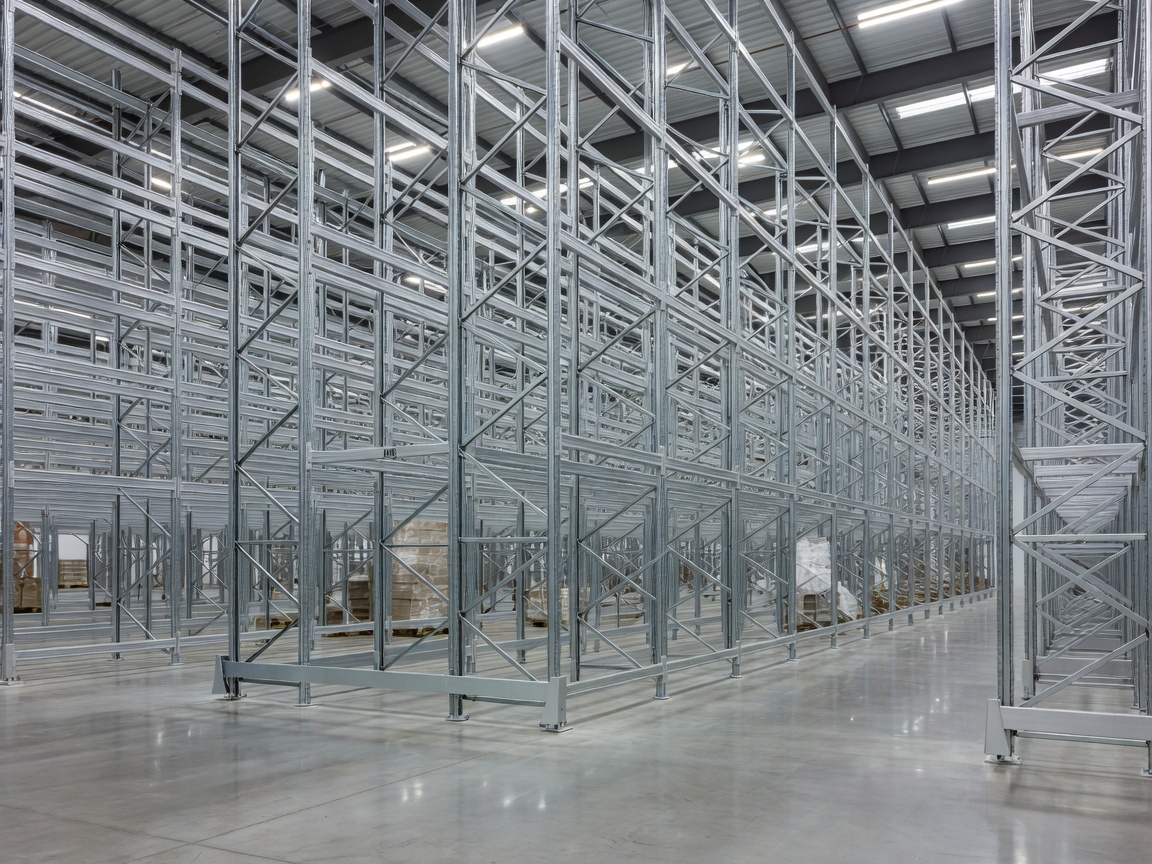
Shared Infrastructure Reduces Capital Expenditure
Industrial facilities require heavy capital commitments: dock levelers, fire sprinkler inspections, three-phase power certification, and heavy-duty floor coatings. Shared flexible warehousing distributes these fixed overheads across multiple operating entities.
The Rigidity Trap of Commercial Property Leases
In most European commercial property markets—whether outside Rotterdam, Frankfurt, or Lyon—the standard industrial property lease is structured for institutional stability, not small business dynamism. Landlords routinely demand three- to five-year unbreakable commitments, substantial personal or bank guarantees, and full repairing covenants that make tenants liable for roof maintenance, gutters, and perimeter tarmac.
For an expanding enterprise whose quarterly sales might fluctuate by 40%, signing for 500 square meters means paying for 300 square meters of empty air during quiet months. Conversely, if demand surges, you cannot easily bolt an extra bay onto a fixed tenancy. Flexible warehouse space dismantles this dilemma by treating storage volume as an elastic utility.
Shared vs. Dedicated Storage Space: Evaluating the Choices
Small businesses typically weigh two operational setups when entering flexible warehouse ecosystems:
| Operational Feature | Shared Multi-Tenant Facility | Dedicated Partitioned Bay |
|---|---|---|
| Access Protocol | Scheduled dock slots; on-site staff supervision | Direct private shutter keycard; unrestricted entry |
| Cost Structure | Pay per pallet position or cubic meter used | Fixed fee per enclosed footprint area |
| Handling Equipment | Shared dock levelers and communal pallet jacks | Dedicated internal staging space inside unit |
| Security Perimeter | Facility-wide CCTV and audited yard gates | Double-layer: perimeter gates plus private lockable bay |
| Best Suited For | Buffer stock and bulk unpicked pallets | Active daily packing, sorting, and assembly operations |
Palletized vs. Boxed Inventory: Mechanical Reality
One of the most common operational oversights among growing businesses is failing to format inventory for warehouse machinery. Small courier vans thrive on loose boxes. Modern warehouses, however, are engineered around standardized pallet footprints.
If your supplier delivers 300 loose cartons, warehouse staff must hand-stack every carton onto pallets before racking them—costing hours in manual labor charges. Ensuring your suppliers pack directly onto standard EUR-1 (1200 x 800 mm) or EUR-2 (1200 x 1000 mm) wooden pallets with proper stretch wrapping reduces receiving turnaround times from hours to ten minutes.
Dock Leveler Compatibility
Not all warehouse doors are equal. Ground-level "drive-in" shutters are ideal for vans and flatbeds, but catastrophic for 40-foot shipping containers without a tail-lift. Always verify whether a facility features raised hydraulic loading docks that align flush with container floors.
Receiving Goods: The Chain of Custody
When an international freight carrier arrives with five tons of inventory, who signs the international consignment note (CMR)? In a basic self-storage lockup, if you are not physically present on the asphalt, the driver simply drives away, leaving you with failed delivery penalties.
Professional flexible warehousing services provide an authorized inbound receiving desk. Their staff inspect incoming pallets for transit damage, check carton counts against the packing slip, sign the CMR with necessary reservations, and position the goods into your assigned bay. This single capability liberates the business owner from having to sit in an empty warehouse waiting for unpredictable carrier arrival windows.
Scaling Capacity as Business Needs Fluctuate
The hallmark of genuine flexibility is seamless bay reallocation. During inventory intake months—typically August through October for retailers—you might reserve 40 pallet positions. By February, as inventory sells down, your footprint contracts to 15 positions, and your billing reflects only the space actively occupied.
Before partnering with a warehouse operator, examine their contract terms regarding capacity shifts. A reputable flexible provider will require no more than two weeks' advance notice to adjust your cubic meter allocation up or down.