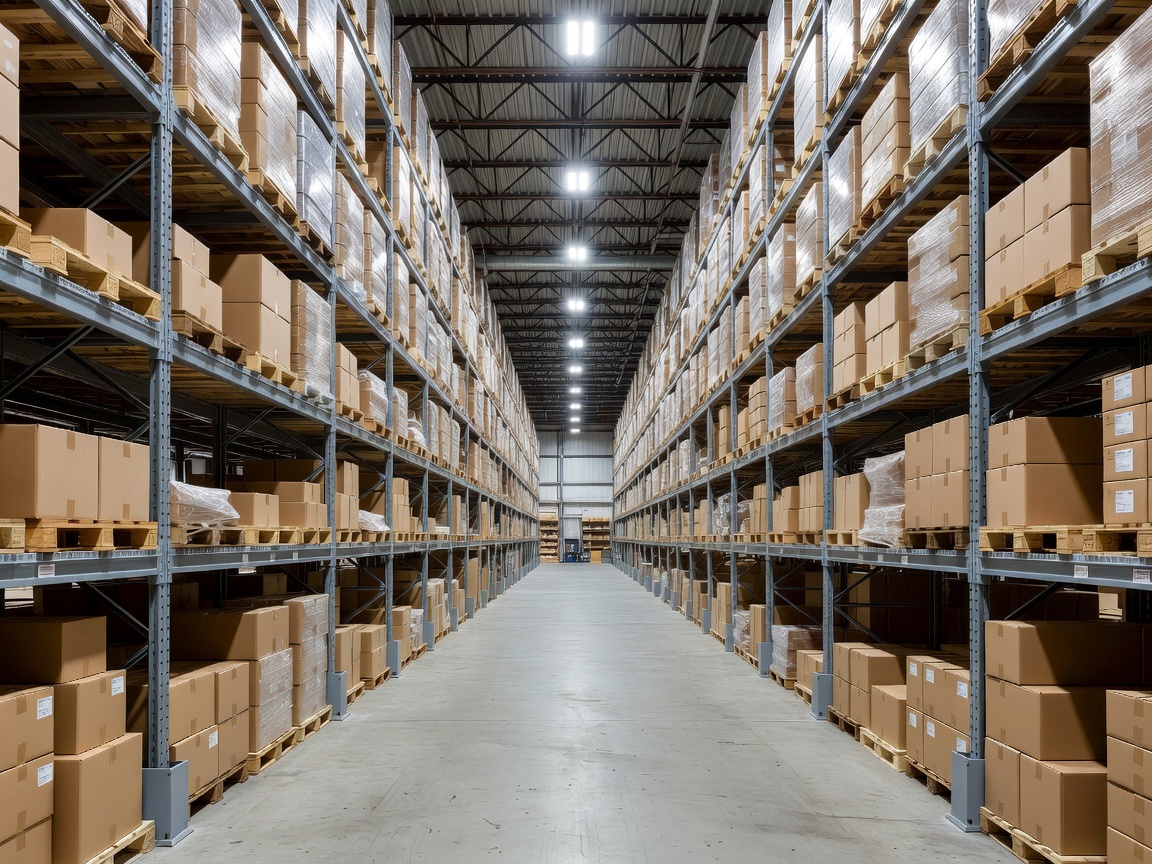
Storage is an Operational Lever, Not Just a Cost Center
Every square meter of your central office or production workshop committed to dormant cartons is a square meter stripped from revenue-generating activities like assembly benches, staff desks, or photographic staging.
The Catalyst: Why Enterprises Turn to External Storage
There comes an awkward inflection point in almost every small business journey. You've outgrown the backroom, the garage, or the modest unit you signed two years ago, but taking the leap into a 1,000-square-meter long-term commercial lease feels reckless. You don’t need an entire building; you need twenty square meters for high-turnover stock, seasonal reserves, and trade exhibition kits.
This is where dedicated business storage bridges the gap. Unlike private self-storage—which frequently lacks commercial vehicle access, delivery receiving capabilities, or pallet handling tools—modern external business storage functions as an off-premise annex. It transforms fixed property commitments into flexible variable costs.
Analyzing Inventory Categories for Off-Site Staging
Not every asset belongs in an off-site facility. Migrating inventory without clear categorization creates costly operational delays. Generally, small businesses divide inventory into three distinct operational profiles:
- Active High-Turnover Stock: Items with immediate daily picking demands. If picking off-site requires two hours of round-trip transit each morning, the storage savings quickly evaporate in lost labor hours. Keep baseline active stock on-site.
- Buffer & Overflow Inventory: Bulk shipments received from overseas suppliers or production partners. These units can be staged in a secured warehouse and retrieved in pallet loads once every week or two as your retail or fulfillment floor empties.
- Archival, Tools & Seasonal Hardware: Point-of-sale display booths, seasonal decorative assets, compliance documents, and spare production equipment that need to remain clean and insured but are used only several times per year.
Pragmatic Rule of Thumb
If an item is touched less than twice a month, it shouldn't occupy your primary production or commercial retail floor. Calculating the cost per square meter of your main facility against dedicated warehouse space usually reveals a 2.5x to 4x price differential.
Accessibility vs. Security: The Operational Trade-Off
When comparing business storage facilities across European commercial zones, you'll encounter a constant tension between instantaneous accessibility and robust perimeter security.
A 24/7 unmonitored gate access facility offers convenience for erratic schedules, but may lack gated vehicle controls, internal CCTV logging, or climate monitoring essential for moisture-sensitive cartons. Conversely, tightly controlled logistics parks may require 24 hours prior notice before backing a heavy goods vehicle (HGV) into a loading bay, but they provide manned security desks, computerized stock receipt signatures, and certified fire suppression networks.
Consider how your business operates: Do you need couriers to drop pallets unattended at 06:00, or will your own team arrive during standard business hours with a delivery van? Never trade critical stock security for an around-the-clock entry code you will realistically never utilize.
Questions to Ask Storage Providers Before Signing
Before committing to any commercial storage provider, run through this tactical inspection checklist:
- Can the loading dock accommodate articulated lorries? Many suburban units have low clearance arches that prevent standard European 18-tonne curtain-sided trucks from entering.
- Is forklift assistance or material handling gear available on-site? If a carrier refuses to use their tail-lift or drops pallets on the pavement, do you have access to a pallet jack or pedestrian stacker?
- What is the minimum notice period for downsizing? True flexibility means being able to reduce your bay footprint from four bays to two when stock levels trough in Q1.
- What are the humidity and temperature guarantees? Even basic paperboard packaging degrades and softens rapidly in unheated, damp facilities during continental European winters.
Factors Influencing Business Storage Pricing
Rather than quoting arbitrary uniform fees, realistic commercial storage costs depend on four interconnected variables:
- Geographic Proximity to Urban Nodes: Sites within 15 minutes of major metropolitan centers or port corridors command higher rates than facilities situated 40 kilometers along highway intersections.
- Floor-Level vs. Mezzanine Access: Ground-level roll-up shutter access carries a premium over upper-tier units reached via freight elevators.
- Handling and Acceptance Services: Facilities that sign for freight deliveries on your behalf and move pallets to your allocated zone bundle labor costs into the monthly agreement.
- Commitment Horizon: A 30-day rolling term provides agile exit opportunities but generally carries a modest percentage surcharge over a 12-month reserved bay arrangement.